U.S.A Visa Bond Programme Extended: Strategic Implications for Grenadian Nationals

Dia Forrester
April 17, 2026

The expansion of the U.S. Visa Bond Pilot Programme introduces new considerations for Grenadian nationals, highlighting the evolving nature of global mobility within the context of Grenada Citizenship by Investment (CBI). Under this framework, certain travellers may be required to post a refundable bond as a condition of visa issuance, reinforcing a shift towards stricter compliance, risk-based assessments, and financial safeguards in international travel. 
Table of contents

The United States has expanded its Visa Bond Pilot Programme to include several additional jurisdictions, with important implications for mobility among Caribbean nationals, including Grenadians.

While not universally applied to all travellers, the policy introduces a new compliance mechanism that may affect how Grenadian citizens approach short-term travel to the United States and, more broadly, how global mobility is assessed in an increasingly regulated environment.

Understanding the Visa Bond Framework

Under the programme, certain applicants for B-1 (business) and B-2 (tourism) visas may be required to post a refundable bond of US$5,000, US$10,000, or US$15,000 as a condition of visa issuance. 

The requirement is grounded in U.S. immigration law and implemented through a temporary regulatory framework designed to address visa compliance risks. Applicants are only instructed to post a bond at the direction of a U.S. consular officer and must complete the process through official government systems. 

Importantly, the payment of a bond does not guarantee visa issuance, underscoring its role as a risk mitigation tool rather than a facilitative mechanism. 

Mechanics of Compliance

The operational structure of the bond is governed through Form I-352 (Immigration Bond), administered by U.S. immigration authorities. The bond functions as a financial assurance that the visa holder will:

  1. Depart the United States within the authorised period;
  2. Comply with all conditions of entry; and
  3. Use designated ports of entry where required under the programme. 

Failure to comply with the terms of the bond, particularly overstaying, may result in forfeiture of the bond, while successful compliance leads to its cancellation and refund. 

Implications for Grenadian Mobility

For Grenadian nationals, the policy introduces several notable considerations:

  1. Financial: Even though the bond is refundable, the upfront capital requirement may influence travel planning, particularly for families or frequent travellers.
  2. Heightened Individualised Assessment: The discretionary nature of the bond requirement reinforces the importance of strong personal profiles, including demonstrable ties to the home country, financial stability, and prior travel compliance.
  3. Increased Administrative Complexity: Applicants must navigate an additional procedural layer, including compliance with prescribed payment channels and, where applicable, designated entry and exit points.

Relevance for Citizenship by Investment Stakeholders

For participants in Grenada’s Citizenship by Investment (CBI) Programme, the development is noteworthy in a wider global context.

While Grenadian citizenship continues to offer significant mobility advantages, including access to key jurisdictions, the introduction of financial compliance mechanisms by major destination countries highlights an evolving landscape in which:

  1. Mobility is increasingly conditional and data-sensitive;
  2. Immigration systems are adopting risk-based financial safeguards; and
  3. Due diligence and personal travel histories are becoming more important when seeking to ascertain visas.

Looking Ahead

The USA visa bond programme remains a pilot initiative, and its future trajectory will likely depend on measurable outcomes, including reductions in visa overstays and administrative feasibility for that country.

For Grenadian nationals and global investors alike, the key takeaway is clear: international mobility is no longer defined solely by visa access, but increasingly by compliance, transparency, and individual risk assessment.

As such, proactive planning and careful adherence to immigration requirements will be essential in navigating this evolving landscape.

Frequently Asked Questions

1. Will all Grenadian nationals be required to pay a U.S. visa bond?

No. The visa bond requirement is applied on a case-by-case basis at the discretion of a U.S. consular officer. Not all applicants for B-1 (business) or B-2 (tourism) visas will be subject to the bond. The decision is typically based on factors such as travel history, financial circumstances, and the perceived likelihood of compliance with visa conditions.

2. Is the visa bond refundable?

Yes. The bond is fully refundable provided that the visa holder complies with all terms of their stay, including departing the United States within the authorised period. If the individual overstays or otherwise breaches visa conditions, the bond may be forfeited in full.

Dia Forrester
Our insights section covers a combination of industry trends and professional insights. We provide updates on real estate investment opportunities through citizenship by investment programmes, global mobility and more! Sign up for our newsletter to stay on top of industry trends!
Dia Forrester
Our insights section covers a combination of industry trends and professional insights. We provide updates on real estate investment opportunities through citizenship by investment programmes, global mobility and more! Sign up for our newsletter to stay on top of industry trends!
Antigua and Barbuda enjoys a tropical maritime climate, characterised by warm temperatures year-round, with an average of 27°C (81°F). The islands have a relatively dry season from January to April, with a wetter season from May to November. The islands have robust infrastructure and emergency systems in place to manage such events.
Originally inhabited by the Arawak and Carib peoples, the islands were colonised by the British in the 17th century. The cultural landscape is a blend of African, British, and indigenous influences. This rich history is reflected in local music, dance, and festivals, with calypso, reggae, and steelpan music being particularly popular. Cricket, a legacy of British rule, is the most popular sport, and sailing is also popular, reflecting the islands' strong maritime culture.
Antigua and Barbuda boasts 365 beaches, one for each day of the year, along with coral reefs, lagoons, and lush vegetation. The country’s landscape is primarily flat, with rolling hills and volcanic rock formations. The islands are also home to rich biodiversity, making them a haven for nature lovers.
Antigua and Barbuda have a stable democratic government based on the British parliamentary system. The country is generally regarded as having a manageable level of bureaucracy, with a reasonably straightforward process for interacting with government agencies. Retirees will find that essential services like renewing a driver’s licence, paying taxes, or obtaining necessary permits are relatively simple, although some processes can be slow due to limited resources. The government has been making strides in digitising services to reduce in-person visits and streamline processes.
Antigua and Barbuda is known for its lively events and festivals, particularly Carnival, one of the year's most anticipated events. Antigua Sailing Week is another major event, attracting sailors and spectators from around the world. These festivals are deeply rooted in the local culture and provide a vibrant social scene for retirees.
Dominica has a tropical rainforest climate, with high humidity and heavy rainfall, particularly on the windward side of the island. Temperatures are warm year-round, averaging 26°C (79°F), with cooler conditions in themountainous interior. The island’s lush greenery is a result of its abundantrainfall.
Dominica's culture is a vibrant mix of indigenous Kalinago heritage, African traditions, and European colonial influences, particularly French and British. The island was originally settled by the Kalinago people, and their influence is still present today, especially in the Kalinago Territory. African traditions have also left a profound mark, particularly in the island’s music, dance, and festivals. Dominica’s outdoor sports are heavily influenced by its rugged terrain, with hiking and diving being popular among locals and expatriates alike, although there is of course cricket for those with more sedentary dispositions.
Known as the "NatureIsland," Dominica is characterised by its rugged terrain, rainforests ,waterfalls, and geothermal activity. The island is home to the UNESCO-listed Morne Trois Pitons National Park, as well as numerous rivers and lakes. Dominica’s unspoiled natural beauty is a major draw for retirees who appreciate ecotourism and outdoor adventures.
Dominica’s government operates under a parliamentary democracy, with a legal system rooted in English common law. While the country’s bureaucracy is smaller and more accessible, some processes can be slow, particularly in rural areas. However, the government is generally cooperative and accommodating, particularly for expatriates. It’s advisable to have local assistance or a legal advisor to navigate more complex processes, such as property transactions or dealing with land registries.
Dominica hosts several unique cultural events, including the World Creole Music Festival and Carnival. The island’s festivals are deeply connected to its Creole heritage, offering retirees a chance to immerse themselves in local traditions and music. Dominica’s Independence celebrations also feature traditional dances, music, and cuisine.
Grenada has a tropical climate with relatively consistent temperatures throughout the year, averaging around 28°C (82°F). The dry season runs from January to May, while the wet season is from June to December. Although Grenada is located on the southern edge of the hurricane belt and is less impacted the another Caribbean islands, it is not immune to these storms as has been seen recently with Hurricane Beryl. The island has since improved its hurricane preparedness and infrastructure resilience and the value of these improvements has led to greater preparedness for such events.
The island was originally inhabited by the Arawak and Carib peoples before being colonised by Europeans. Grenadian culture is characterised by a strong sense of community, vibrant music, and dance traditions, such as calypso and soca. French influence on the island is evident in its place names and culinary traditions. Cricket and football are the most popular sports, and sailing and water sports are also widely enjoyed.
Known as the "SpiceIsle," Grenada is famous for its aromatic plantations, waterfalls, and pristine beaches. The island’s volcanic origin provides a diverse landscape of mountains, rainforests, and coastal areas. Grenada’s natural beauty is complemented by its extensive marine life, making it ideal for snorkelling and diving.
Grenada also follows a British-style parliamentary democracy. The country’s bureaucracy is relatively user-friendly, with many government processes being straightforward and accessible. Retirees generally find it easy to interact with government departments for routine tasks such as registering a vehicle, renewing licences, or paying taxes.
Grenada’s Spicemas Carnival is the island’s most significant cultural event, celebrated with colourful parades, music, and dance. The island also hosts the Grenada Sailing Festival and the Pure Grenada Music Festival, both of which attract international visitors. These events provide a lively social calendar for retirees.
Saint Kitts and Nevis has a tropical climate, with temperatures ranging between 24°C (75°F) and 31°C (88°F) throughout the year. The islands have a dry season from December to April and a wet season from May to November. Located within the hurricane belt, Saint Kitts and Nevis is vulnerable to hurricanes, especially between June and November, but the islands have strong building codes and disaster response plans in place to reduce the impact of the senatural events.
The cultural heritage of Saint Kitts and Nevis is shaped by its history of indigenous Carib and Arawak inhabitants and European colonisation. Saint Kitts was the first Caribbean island to be colonised by the British, and Nevis has a rich history as a major sugar producer. The islands' cultural roots are a blend of African, British, and French influences, reflected in the local cuisine, music, and festivals. Cricket and football are deeply ingrained in the local culture and, along with sailing and hiking, are integral to the islands' cultural life.
The twin islands of Saint Kitts and Nevis are known for their volcanic mountains, rainforests, and beaches. The islands are home to the UNESCO World Heritage site of Brimstone Hill Fortress and offer stunning views from places like Mount Liamuiga. The islands’ natural beauty is one of their strongest appeals to retirees.
Saint Kitts and Nevis operates under a stable parliamentary democracy, with governance structures similar to those of other Commonwealth countries. The islands have a relatively low level of bureaucracy, and dealing with the government on a day-to-day basis is generally straightforward. Most routine administrative tasks, such as obtaining permits, paying taxes, or registering property, are manageable, although some processes can take longer than expected due to limited staffing. The government is trying to modernise its operations, including digitising more services, which should help reduce delays and improve overall efficiency.
The islands of Saint Kitts and Nevis host several vibrant festivals, including Carnival, the Saint Kitts Music Festival, and Culturama, which is unique to Nevis. These events celebrate local culture, music, and heritage, offering retirees plenty of opportunities to engage with the community and enjoy local traditions.
Saint Lucia enjoys a tropical climate with warm temperatures year-round, typically ranging from 25°C (77°F) to 30°C (86°F). The dry season extends from December to May, while the wet season is from June to November. Saint Lucia is situated near the edge of the hurricane belt, making it prone to hurricanes and tropical storms but less so than those further north. The government has invested in improving hurricane preparedness and infrastructure resilience to protect the island from future storms better.
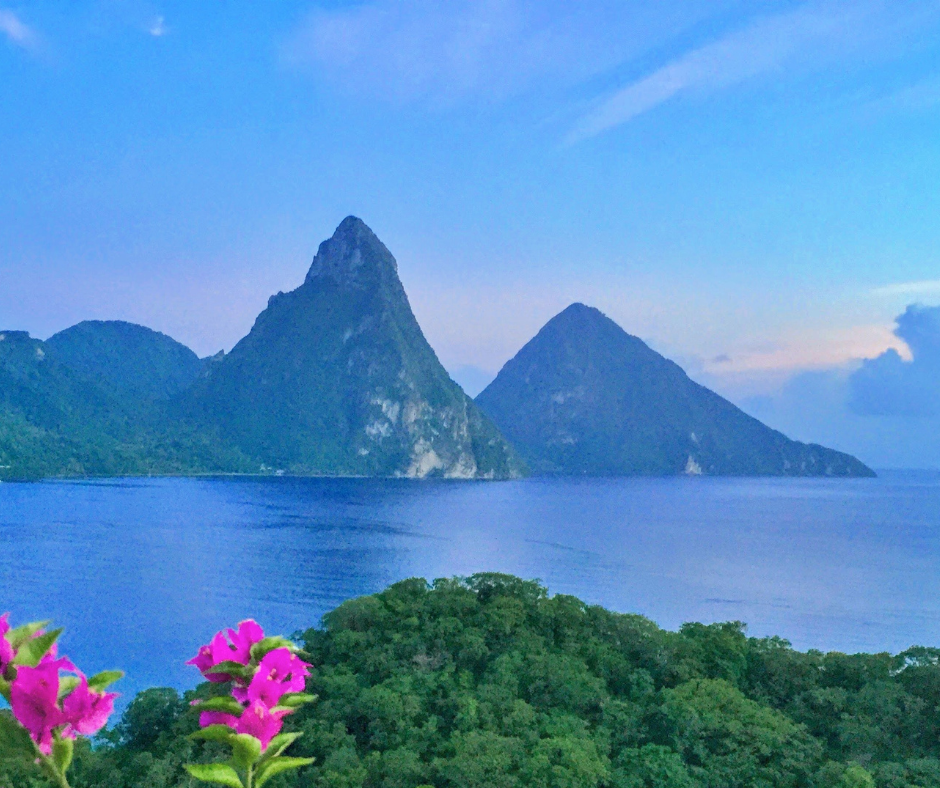
Saint Lucia's culture is a unique blend of African, French, and British influences, reflecting its complex history of colonisation. The island was originally inhabited by the Arawak and later the Carib people, before being contested by the French and British for centuries. The French influence is particularly strong in the island's Creole language, cuisine, and Catholic traditions, while British colonial rule has left its mark on the legal system and sports, particularly cricket. The island’s dramatic landscapes, including the iconic Pitons, provide a stunning backdrop for outdoor sports like hiking and diving, which are popular among locals and retirees alike.
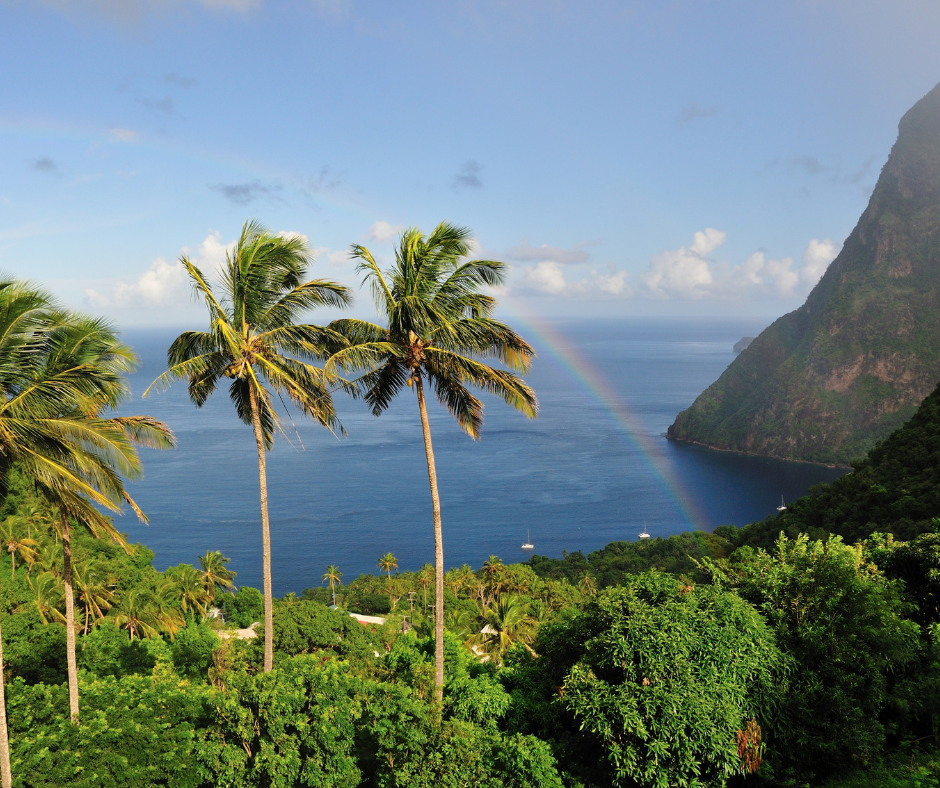
Saint Lucia is famous for its dramatic Pitons, volcanic peaks that rise sharply from the sea. The island’s landscape includes rainforests, beaches, andSulphur Springs, the Caribbean’s only drive-in volcano. Saint Lucia’s natural beauty is among the most striking in the Caribbean, attracting retirees who enjoy outdoor activities and scenic views.
Saint Lucia’s government is a parliamentary democracy, and the country has a reputation for a relatively efficient bureaucracy compared to other Caribbean nations. For retirees, dealing with the government is typically hassle-free for most day-to-day tasks like renewing a driver’s licence, paying taxes, or obtaining residency permits. Saint Lucia has been proactive in improving its e-government services, allowing for easier access to information and quicker processing of certain requests online.
Saint Lucia is famous for its Jazz and Arts Festival, which attracts international artists and music lovers. The island’s Carnival is another major event, featuring parades, music, and dancing. Additionally, the La Rose and La Marguerite festivals celebrate the island’s unique cultural heritage, offering retirees a rich cultural experience.

Request a call back

You accept the Terms of Use and Privacy Policy by submitting your request.
Or with your question

Thank you for contacting us!

We’ve received your message. A member of our team will get in touch with you as soon as possible, but no later than within 24 hours.
Done
Oops! Something went wrong while submitting the form.

Thank you for contacting us!

We’ve received your message. A member of our team will get in touch with you as soon as possible, but no later than within 24 hours.
Done
Grenada Golden Passport Advisors is the trading name of Artbrisk Capital Ltd having its registered office at 85 Great Portland Street, First Floor, London, W1W 7LT, UK | Copyright 2024 ©️
Contact Us