Grenada CBI: Cultural Orientation - Christmas

Dia Forrester
November 26, 2025

Grenada’s festive season offers an engaging glimpse into Grenada culture, giving prospective applicants under the Grenada CBI programme an authentic sense of island life. From spirited parang music to cherished culinary customs, Christmas in Grenada showcases the values and community spirit that define the nation—an increasingly relevant insight for Grenada Citizenship by Investment applicants, as cultural orientation becomes a formal requirement. 

Table of contents

Grenada’s culture is becoming an important consideration for investors evaluating the Grenada Citizenship by Investment. This edition of our cultural series highlights how the Christmas season reflects the island’s unique blend of tradition, celebration, and community spirit.

Christmas in Grenada 

December is a festive season in Grenada, as it is in many places worldwide. There is the celebration of Christmas as a religious holiday, as a time for family and friends, and the end of the year, filled with anticipation of what the New Year may hold.

As a substantially Christian society, Grenadians celebrate the birth of Jesus Christ during the Christmas season. From the start of the Advent period through to Boxing Day, there are a plethora of Christmas concerts held at churches and schools, featuring plays, poetry, singing, and dancing, as well as carolling in communities. The solemnity of Christmas can be seen in the reenactment of the Nativity and the midnight Vigil masses, all culminating on Christmas Day.

How Is Christmas Celebrated?

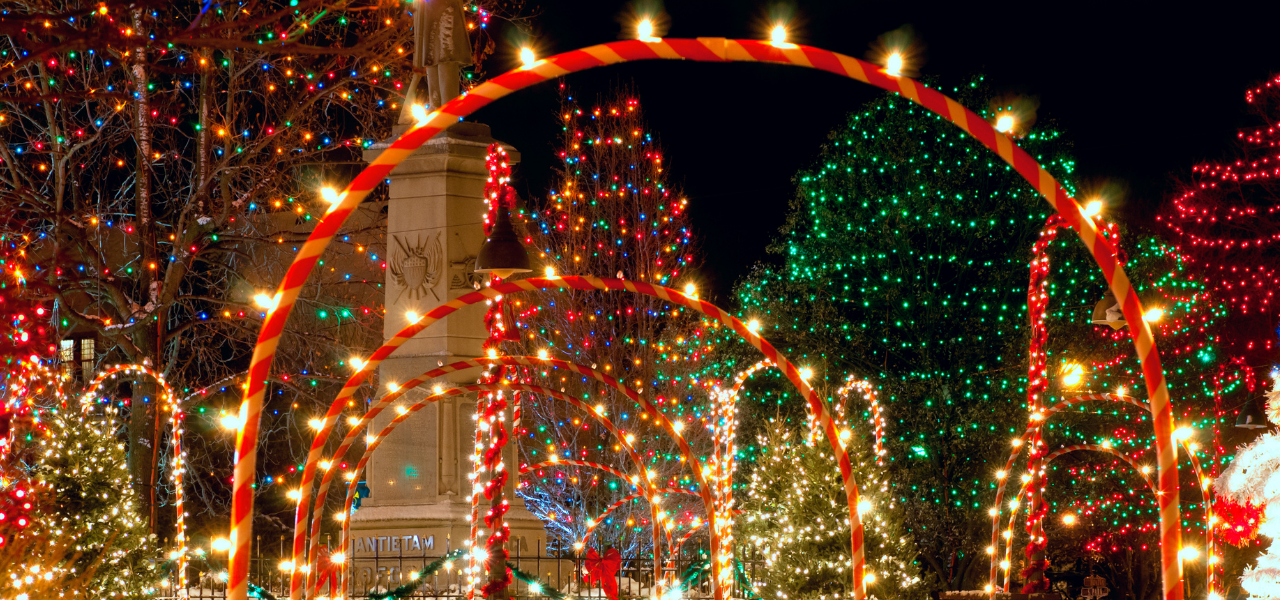
For many families and business places, beyond the Christian aspect of the Christmas season, the coming together of people to banter and celebrate takes centre stage. As a preliminary step, there is the traditional massive Christmas cleaning, which serves as the foundation for installing Christmas decorations. Businesses and homes alike have extravagant Christmas decorations, including unique light displays, fresh curtains, and the best glasses and dishes hidden all year, used. The city is buzzing with activity as Christmas shopping takes place, with traffic congestion and numerous parties. Many businesses have end-of-year celebrations – lunches, dinners, or cocktails. It is customary for end-of-year bonuses to be issued based on a company's performance, with those payments made towards the middle of December to ensure more merriment on Christmas Day. 
Christmas Music and Traditions 

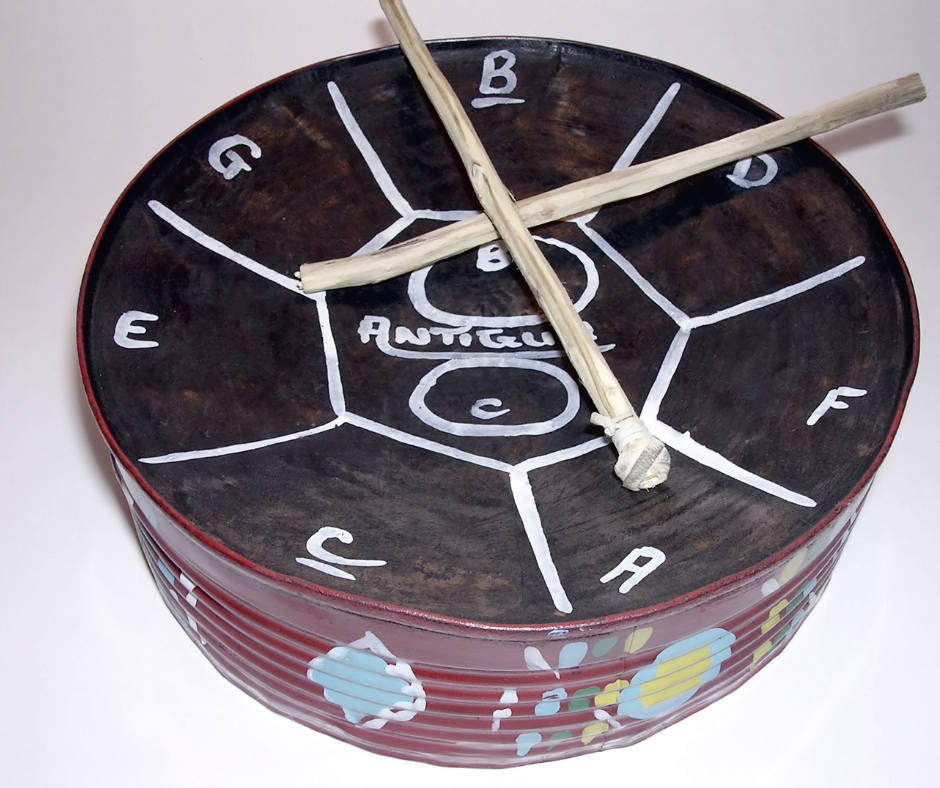
Christmas music in Grenada is not merely Christmas carols, but also parang music. Parang has an uptempo beat, and its lyrics tend to focus on joyful things such as celebrating, eating and drinking, or, at times, satirical and discreet messages poking fun at various community incidents of the year. There is a saying in Grenada: if you did not do anything, your name will not be called in a parang song; if you know what you did was wrong, look out for your name in a parang song. 

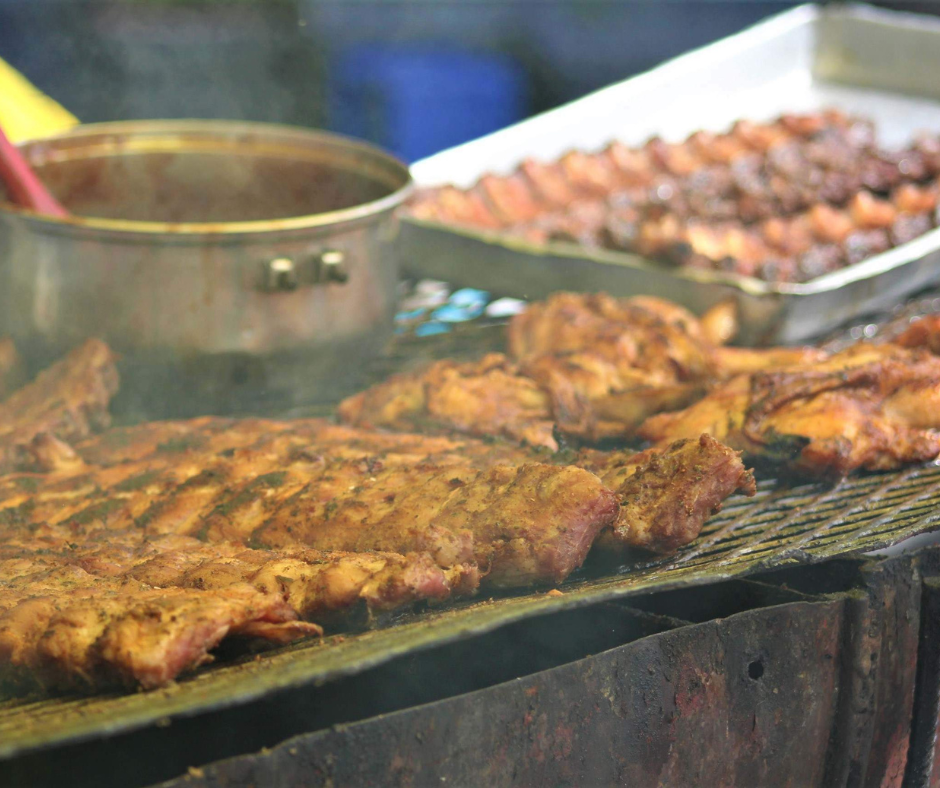
As part of Grenadian Christmas traditions, there are some culinary delights to expect. These include Christmas cake, or black cake, a dense, sticky cake made with dried fruits that have been soaked in alcohol for months. Salt ham, which is salt-cured ham that is boiled over a slow fire for many hours with cloves and, at times, pineapples. The popular drinks for the Christmas season are sorrel, a tangy, deep crimson-coloured drink that may contain white rum; punch-a-cream, a milk-based drink with white rum; rum punch; and ginger beer. 

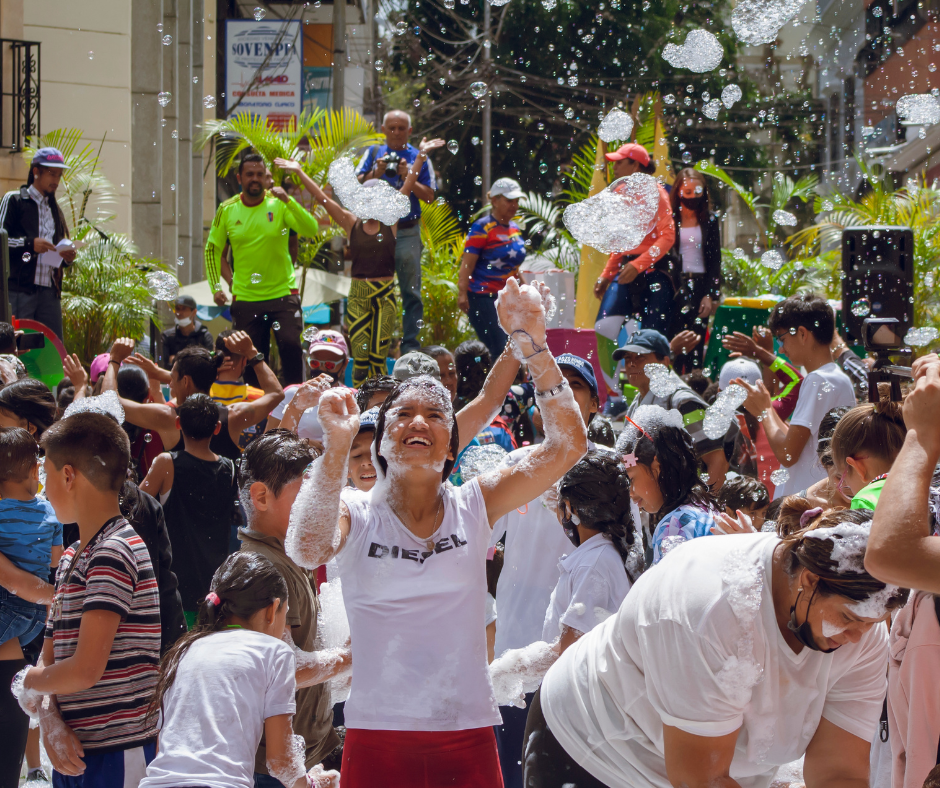
On Christmas day, families and friends gather at each other’s homes to have a meal together, open gifts, and enjoy each other’s company. Also, during the Christmas season, there are a few anticipated events which include an event named Christmas at the Point, hosted by the Rotary Club of Grenada at Quarantine Point, the equivalent of a Winter Wonderland experience without the rides, but just as family-centred and fun-filled. There are also many Old Year’s Eve or New Year’s Eve parties, which tend to be fancy affairs with women in formal dresses and men in suits, featuring popular disc jockeys and live bands, including famous or popular artists. 

Altogether, the Christmas season in Grenada blends faith, family, culture, and celebration in a way that is uniquely its own. From the solemnity of church services to the laughter of parang, the bustle of preparations, and the warmth of shared meals, December brings a special energy to the island. As Grenadians look toward the New Year, the season stands as a reminder of community, tradition, and the simple joy of people and families coming together.

Final Thoughts 

Grenada’s Christmas season exemplifies the island’s strong sense of community, tradition and cultural engagement — all of which resonate with individuals pursuing Grenada CBI and seeking long-term ties to the country. For applicants navigating Grenada's citizenship requirements, the festive period reveals the nation's welcoming atmosphere and connected way of life. From lively music to meaningful gatherings and cherished culinary traditions, the season reflects the broader character of Grenada culture and highlights why many investors view the island as both a strategic and personally enriching choice for Grenada Citizenship by Investment.

FAQs

1. How does learning about Grenada’s culture support investors considering Grenada CBI?

Understanding local traditions provides investors with a clearer sense of the social environment they may become part of through Grenada CBI. Cultural insight helps applicants appreciate the community values that shape everyday life on the island.

2. Is cultural knowledge relevant to Grenada citizenship requirements?

While the formal Grenada citizenship requirements focus on due diligence and investment criteria, having a basic understanding of Grenada’s culture can help future citizens integrate more easily and develop a stronger connection to the country.

3. What makes the Christmas season particularly significant in Grenada?

Christmas in Grenada blends faith, family and festive traditions, from church celebrations to music, food and community events. It is one of the most expressive periods of the year, offering an excellent introduction to Grenada’s warm and community-centred way of life.

Dia Forrester
Our insights section covers a combination of industry trends and professional insights. We provide updates on real estate investment opportunities through citizenship by investment programmes, global mobility and more! Sign up for our newsletter to stay on top of industry trends!
Dia Forrester
Our insights section covers a combination of industry trends and professional insights. We provide updates on real estate investment opportunities through citizenship by investment programmes, global mobility and more! Sign up for our newsletter to stay on top of industry trends!
Antigua and Barbuda enjoys a tropical maritime climate, characterised by warm temperatures year-round, with an average of 27°C (81°F). The islands have a relatively dry season from January to April, with a wetter season from May to November. The islands have robust infrastructure and emergency systems in place to manage such events.
Originally inhabited by the Arawak and Carib peoples, the islands were colonised by the British in the 17th century. The cultural landscape is a blend of African, British, and indigenous influences. This rich history is reflected in local music, dance, and festivals, with calypso, reggae, and steelpan music being particularly popular. Cricket, a legacy of British rule, is the most popular sport, and sailing is also popular, reflecting the islands' strong maritime culture.
Antigua and Barbuda boasts 365 beaches, one for each day of the year, along with coral reefs, lagoons, and lush vegetation. The country’s landscape is primarily flat, with rolling hills and volcanic rock formations. The islands are also home to rich biodiversity, making them a haven for nature lovers.
Antigua and Barbuda have a stable democratic government based on the British parliamentary system. The country is generally regarded as having a manageable level of bureaucracy, with a reasonably straightforward process for interacting with government agencies. Retirees will find that essential services like renewing a driver’s licence, paying taxes, or obtaining necessary permits are relatively simple, although some processes can be slow due to limited resources. The government has been making strides in digitising services to reduce in-person visits and streamline processes.
Antigua and Barbuda is known for its lively events and festivals, particularly Carnival, one of the year's most anticipated events. Antigua Sailing Week is another major event, attracting sailors and spectators from around the world. These festivals are deeply rooted in the local culture and provide a vibrant social scene for retirees.
Dominica has a tropical rainforest climate, with high humidity and heavy rainfall, particularly on the windward side of the island. Temperatures are warm year-round, averaging 26°C (79°F), with cooler conditions in themountainous interior. The island’s lush greenery is a result of its abundantrainfall.
Dominica's culture is a vibrant mix of indigenous Kalinago heritage, African traditions, and European colonial influences, particularly French and British. The island was originally settled by the Kalinago people, and their influence is still present today, especially in the Kalinago Territory. African traditions have also left a profound mark, particularly in the island’s music, dance, and festivals. Dominica’s outdoor sports are heavily influenced by its rugged terrain, with hiking and diving being popular among locals and expatriates alike, although there is of course cricket for those with more sedentary dispositions.
Known as the "NatureIsland," Dominica is characterised by its rugged terrain, rainforests ,waterfalls, and geothermal activity. The island is home to the UNESCO-listed Morne Trois Pitons National Park, as well as numerous rivers and lakes. Dominica’s unspoiled natural beauty is a major draw for retirees who appreciate ecotourism and outdoor adventures.
Dominica’s government operates under a parliamentary democracy, with a legal system rooted in English common law. While the country’s bureaucracy is smaller and more accessible, some processes can be slow, particularly in rural areas. However, the government is generally cooperative and accommodating, particularly for expatriates. It’s advisable to have local assistance or a legal advisor to navigate more complex processes, such as property transactions or dealing with land registries.
Dominica hosts several unique cultural events, including the World Creole Music Festival and Carnival. The island’s festivals are deeply connected to its Creole heritage, offering retirees a chance to immerse themselves in local traditions and music. Dominica’s Independence celebrations also feature traditional dances, music, and cuisine.
Grenada has a tropical climate with relatively consistent temperatures throughout the year, averaging around 28°C (82°F). The dry season runs from January to May, while the wet season is from June to December. Although Grenada is located on the southern edge of the hurricane belt and is less impacted the another Caribbean islands, it is not immune to these storms as has been seen recently with Hurricane Beryl. The island has since improved its hurricane preparedness and infrastructure resilience and the value of these improvements has led to greater preparedness for such events.
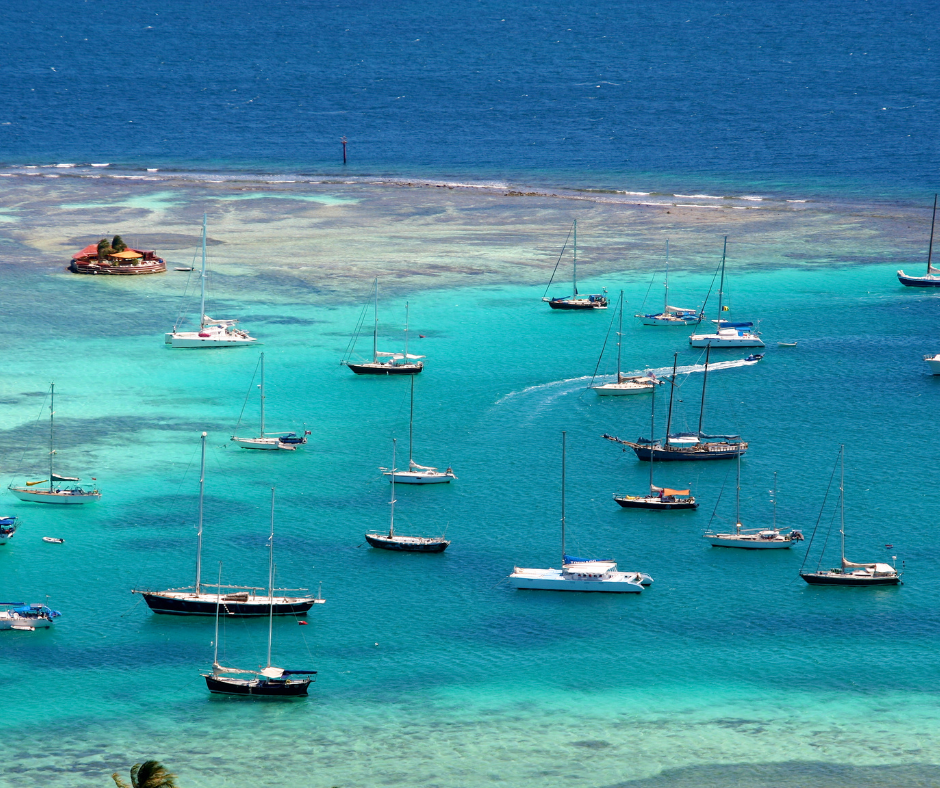
The island was originally inhabited by the Arawak and Carib peoples before being colonised by Europeans. Grenadian culture is characterised by a strong sense of community, vibrant music, and dance traditions, such as calypso and soca. French influence on the island is evident in its place names and culinary traditions. Cricket and football are the most popular sports, and sailing and water sports are also widely enjoyed.
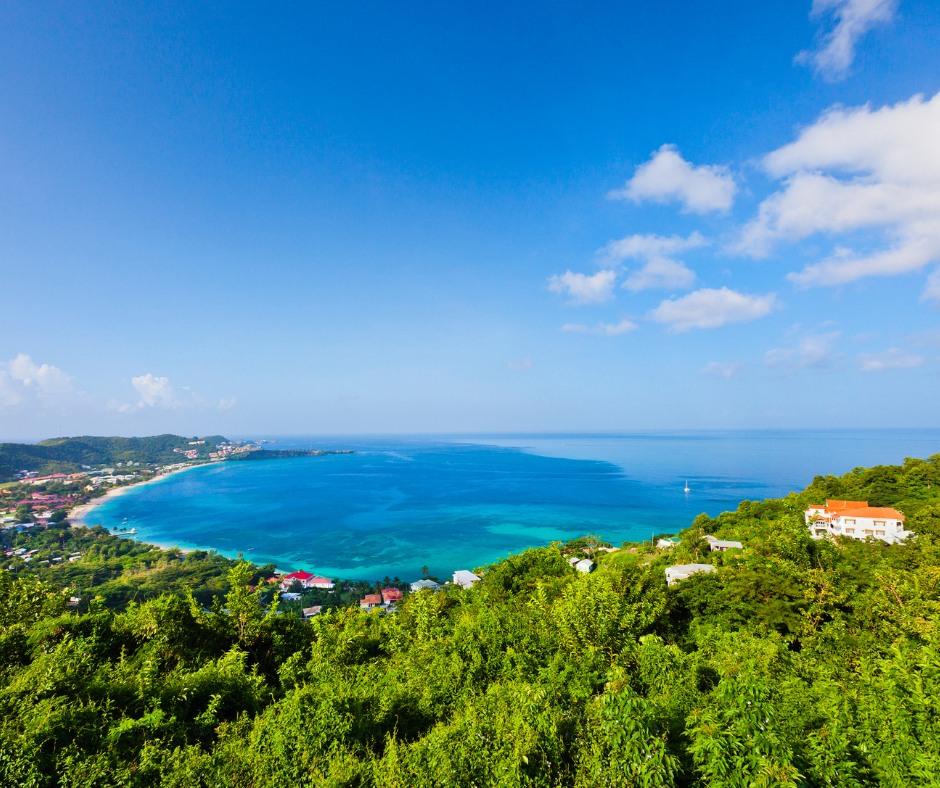
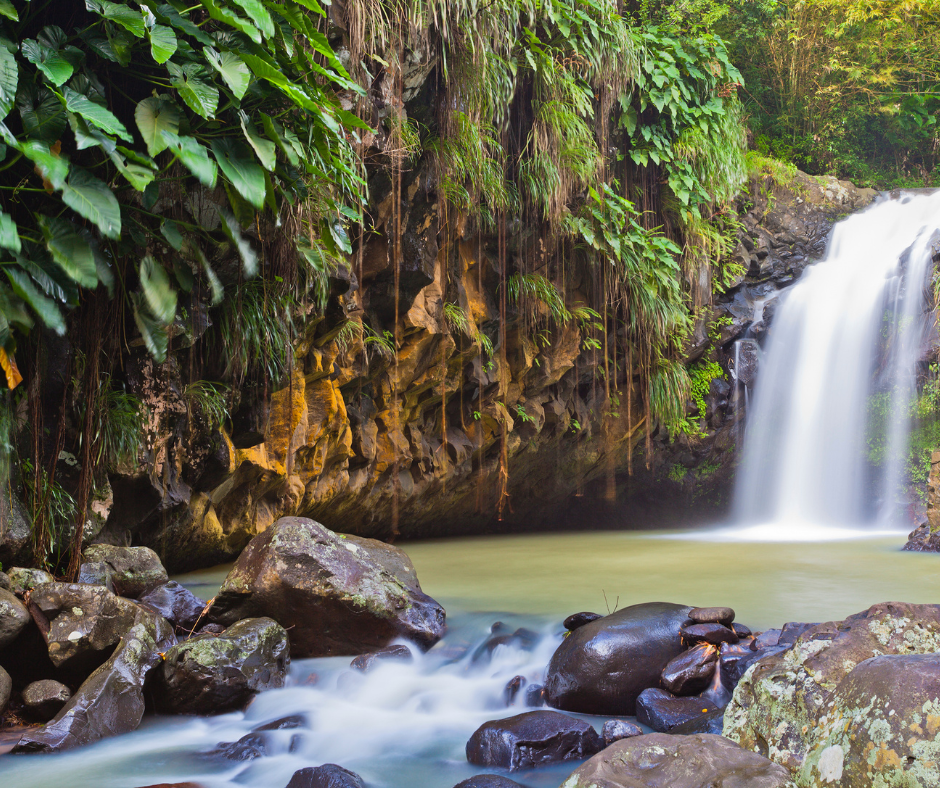
Known as the "SpiceIsle," Grenada is famous for its aromatic plantations, waterfalls, and pristine beaches. The island’s volcanic origin provides a diverse landscape of mountains, rainforests, and coastal areas. Grenada’s natural beauty is complemented by its extensive marine life, making it ideal for snorkelling and diving.
Grenada also follows a British-style parliamentary democracy. The country’s bureaucracy is relatively user-friendly, with many government processes being straightforward and accessible. Retirees generally find it easy to interact with government departments for routine tasks such as registering a vehicle, renewing licences, or paying taxes.
Grenada’s Spicemas Carnival is the island’s most significant cultural event, celebrated with colourful parades, music, and dance. The island also hosts the Grenada Sailing Festival and the Pure Grenada Music Festival, both of which attract international visitors. These events provide a lively social calendar for retirees.
Saint Kitts and Nevis has a tropical climate, with temperatures ranging between 24°C (75°F) and 31°C (88°F) throughout the year. The islands have a dry season from December to April and a wet season from May to November. Located within the hurricane belt, Saint Kitts and Nevis is vulnerable to hurricanes, especially between June and November, but the islands have strong building codes and disaster response plans in place to reduce the impact of the senatural events.
The cultural heritage of Saint Kitts and Nevis is shaped by its history of indigenous Carib and Arawak inhabitants and European colonisation. Saint Kitts was the first Caribbean island to be colonised by the British, and Nevis has a rich history as a major sugar producer. The islands' cultural roots are a blend of African, British, and French influences, reflected in the local cuisine, music, and festivals. Cricket and football are deeply ingrained in the local culture and, along with sailing and hiking, are integral to the islands' cultural life.
The twin islands of Saint Kitts and Nevis are known for their volcanic mountains, rainforests, and beaches. The islands are home to the UNESCO World Heritage site of Brimstone Hill Fortress and offer stunning views from places like Mount Liamuiga. The islands’ natural beauty is one of their strongest appeals to retirees.
Saint Kitts and Nevis operates under a stable parliamentary democracy, with governance structures similar to those of other Commonwealth countries. The islands have a relatively low level of bureaucracy, and dealing with the government on a day-to-day basis is generally straightforward. Most routine administrative tasks, such as obtaining permits, paying taxes, or registering property, are manageable, although some processes can take longer than expected due to limited staffing. The government is trying to modernise its operations, including digitising more services, which should help reduce delays and improve overall efficiency.
The islands of Saint Kitts and Nevis host several vibrant festivals, including Carnival, the Saint Kitts Music Festival, and Culturama, which is unique to Nevis. These events celebrate local culture, music, and heritage, offering retirees plenty of opportunities to engage with the community and enjoy local traditions.
Saint Lucia enjoys a tropical climate with warm temperatures year-round, typically ranging from 25°C (77°F) to 30°C (86°F). The dry season extends from December to May, while the wet season is from June to November. Saint Lucia is situated near the edge of the hurricane belt, making it prone to hurricanes and tropical storms but less so than those further north. The government has invested in improving hurricane preparedness and infrastructure resilience to protect the island from future storms better.
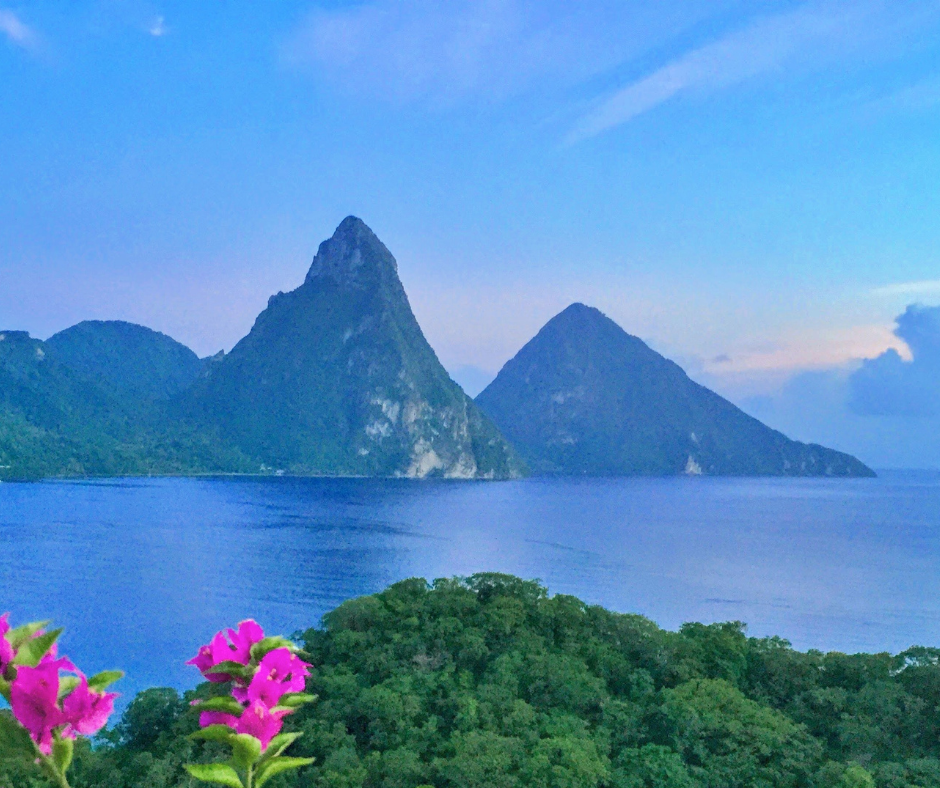
Saint Lucia's culture is a unique blend of African, French, and British influences, reflecting its complex history of colonisation. The island was originally inhabited by the Arawak and later the Carib people, before being contested by the French and British for centuries. The French influence is particularly strong in the island's Creole language, cuisine, and Catholic traditions, while British colonial rule has left its mark on the legal system and sports, particularly cricket. The island’s dramatic landscapes, including the iconic Pitons, provide a stunning backdrop for outdoor sports like hiking and diving, which are popular among locals and retirees alike.
Saint Lucia is famous for its dramatic Pitons, volcanic peaks that rise sharply from the sea. The island’s landscape includes rainforests, beaches, andSulphur Springs, the Caribbean’s only drive-in volcano. Saint Lucia’s natural beauty is among the most striking in the Caribbean, attracting retirees who enjoy outdoor activities and scenic views.
Saint Lucia’s government is a parliamentary democracy, and the country has a reputation for a relatively efficient bureaucracy compared to other Caribbean nations. For retirees, dealing with the government is typically hassle-free for most day-to-day tasks like renewing a driver’s licence, paying taxes, or obtaining residency permits. Saint Lucia has been proactive in improving its e-government services, allowing for easier access to information and quicker processing of certain requests online.
Saint Lucia is famous for its Jazz and Arts Festival, which attracts international artists and music lovers. The island’s Carnival is another major event, featuring parades, music, and dancing. Additionally, the La Rose and La Marguerite festivals celebrate the island’s unique cultural heritage, offering retirees a rich cultural experience.

Request a call back

You accept the Terms of Use and Privacy Policy by submitting your request.
Or with your question

Thank you for contacting us!

We’ve received your message. A member of our team will get in touch with you as soon as possible, but no later than within 24 hours.
Done
Oops! Something went wrong while submitting the form.

Thank you for contacting us!

We’ve received your message. A member of our team will get in touch with you as soon as possible, but no later than within 24 hours.
Done
Grenada Golden Passport Advisors is the trading name of Artbrisk Capital Ltd having its registered office at 85 Great Portland Street, First Floor, London, W1W 7LT, UK | Copyright 2024 ©️
Contact Us