.svg)



Real Estate Law in Grenada: A Guide for Local and Foreign Buyers

This guide provides a clear overview of real estate law in Grenada, outlining the roles of lawyers, buyers, sellers, and lenders, along with due diligence requirements and government charges. It also explains how foreign buyers and investors can acquire property through Grenada Citizenship by Investment, making it a valuable resource for those exploring Caribbean CBI opportunities.
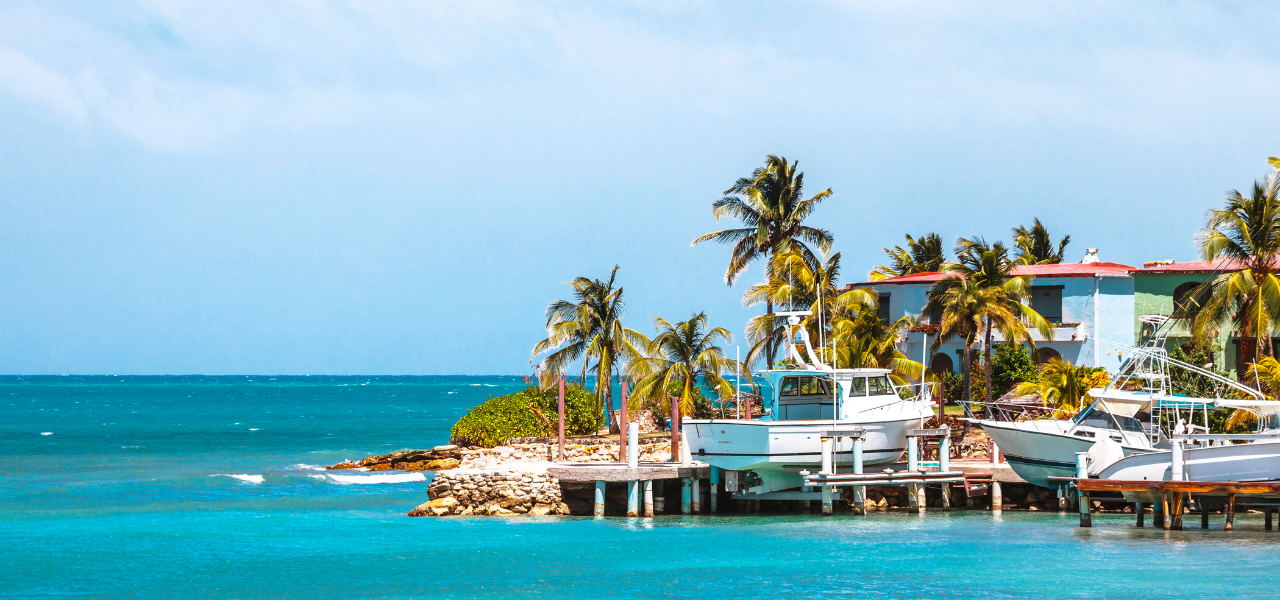
Real Estate Law in Grenada
This is a general introductory guide to real estate law in Grenada and some of the key legal, regulatory, and practical issues involved in buying property in Grenada. It is intended for local purchasers, foreign buyers, investors, and financial institutions seeking clear guidance on the legal process, required approvals, professional roles, and fixed costs associated with real estate transactions in Grenada.
The guide addresses:
- The role of a Grenada real estate lawyer
- Obligations of sellers (vendors) and buyers (purchasers)
- Due diligence and title investigations
- Financing and the role of lenders
- Alien Land Holding Licence requirements
- Government taxes, stamp duties, and fixed disbursements
The guide does not present a complete account of the law and should not be relied upon as legal advice. Anyone considering buying or selling property in Grenada should seek guidance from qualified, licensed professionals practising in Grenada.
Who is a Real Estate Lawyer in Grenada?
A real estate lawyer in Grenada is a duly qualified attorney-at-law admitted to the Grenada Bar and holding a valid practising certificate under the Legal Profession Act. Real estate lawyers in Grenada specialise in the legal aspects of property transactions, including:
Drafting and vetting purchase and sale agreements;
- Preparing conveyances, mortgages, debentures, and other secured instruments;
- Conducting title searches and legal due diligence;
- Advising on encumbrances, easements, and restrictive covenants;
- Negotiating contractual terms;
- Advising on Alien Land Holding Licences and regulatory approvals.
Both the seller/vendor and the buyer/purchaser should retain separate legal representation in a real estate transaction in Grenada. The Legal Profession Act expressly discourages one lawyer from acting for both parties unless there is a fully informed and express waiver of conflict by all parties.

Role of the Seller / Vendor in a Grenada Real Estate Transaction
The seller, also referred to as the vendor, is the individual or company transferring ownership of property to a buyer or purchaser.
Individual Sellers
Where the seller is an individual, the seller must:
- Establish ownership of the property;
- Demonstrate a good root of title;
- Disclose whether the property is subject to mortgages, liens, or other encumbrance.
- Discharge any encumbrances prior to completion unless otherwise agreed.
Corporate Sellers
Where the seller is a company, it must also confirm:
- That it holds legal title to the property;
- That it is duly authorised under its constitutional documents to sell the property;
- That the transaction has been properly approved by its directors and/or shareholders.
Seller’s Obligations at Completion
At closing, the seller or vendor is generally required to:
- Execute a conveyance transferring legal title to the buyer or purchaser;
- Deliver the property with vacant possession, unless otherwise agreed;
- Execute share transfer instruments and resign as directors (if applicable) where the transaction involves the sale of a company or business holding real estate;
- Pay all property taxes up to the date of completion;
- Pay property transfer tax to the Government of Grenada (it is unlawful for this tax to be shifted to the buyer);
- Settle in full or terminate utilities associated with buildings on the property;
- Deliver all keys and access devices to the property;
- Receive the full purchase price upon completion.
Role of the Buyer / Purchaser in a Grenada Real Estate Transaction
The buyer or purchaser is the individual or entity acquiring ownership of the property.
Buyer’s Core Obligations
A buyer or purchaser must:
- Pay the agreed purchase price in full on the completion date;
- Retain legal counsel to protect their interests;
- If a buyer goes through the Citizenship by Investment Programme (CBI), that individual must submit their application for Citizenship through a local CBI agent and CBI marketing agent.
The buyer’s lawyer typically:
- Vets the purchase and sale agreement;
- Conducts title investigations;
- Prepares the conveyance;
- Registers the conveyance at the Grenada Deeds and Land Registry;
- Updates the corporate records at the Companies Registry if a corporation is being sold.
Buyer’s Obligations at Completion
- Pay the full purchase price;
- If a buyer through the Citizenship by Investment Programme has received confirmation prior to closing that he or she has been approved in principle to be a citizen of Grenada;
- Pay stamp duty to the Government.
Due Diligence in Grenada Real Estate Purchases
Legal and practical due diligence is essential when buying property in Grenada. This typically includes:
- Physical inspection of the property to confirm boundaries, access, any visible encroachments and patent defects on the property to be purchased;
- Title and public searches at the Deeds and Land Registry and High Court Registry to confirm good title and any identifying legal encumbrances or defects on the property and or the vendors or sellers of the property;
- Review restrictive covenants, rights of way, and easements;
- Verification of planning permissions, where applicable.
Depending on the results of due diligence, a buyer may renegotiate the purchase price or require repairs or conditions to be satisfied before completion of a sale of property.
Foreign Buyers and Alien Land Holding Licences
Under Grenadian law, a non-citizen (alien) must obtain an Alien Land Holding Licence to legally own land in Grenada, unless an exemption applies. Further, companies with foreign shareholders or directors may also require a licence.
Foreign buyers acquiring property through the Citizenship by Investment Programme may be subject to different statutory procedures and timelines, depending on the approved project.
Role of a Lender in a Grenada Real Estate Transaction
A lender finances all or part of the purchase price of the property for a buyer or purchaser.
Local and international lenders assess a buyer’s eligibility based on income, creditworthiness, and debt service ratios.
If a lender will finance the purchase of property, the lender gives the buyer/purchaser terms and conditions to be complied with in order to obtain the loan. Those terms and conditions may be provided in summary form via a facility letter when local commercial banks in Grenada are used.
Where financing is approved:
- A mortgage or secured instrument is prepared and registered against the property, and the loan sums are released to be paid to the seller or vendor;
- The lender retains the original title deed of the buyer or purchaser as security;
- Upon repayment of the loan, a reconveyance should be executed and registered to discharge the mortgage in favour of the buyer or purchaser.
Fixed Disbursements and Government Charges
Purchasing real estate in Grenada involves several fixed government and professional disbursements. They are all payable by Buyer/Purchaser, except Legal fees for sale agreement preparation and Property transfer tax that are payable by Seller/Vendor.
They are outlined below, along with who they are payable to:
To the Government of Grenada
- Property transfer tax (Paid by Seller)
- Stamp duty on a mortgage
- Registration fees (mortgage & conveyance)
- Oath fees
- Stamp duty on conveyance
- Stamp duty on Alien Land Holding Licence
- Registration fee for Alien Land Holding Licence
To the Buyer’s Lawyer
- Legal fees for conveyance
- Legal fees for vetting a mortgage
- Alien Land Holding Licence legal fees
To the Bank’s Lawyer
- Legal fees for sale agreement negotiation
- Legal fees for mortgage preparation
To the Seller’s Lawyer
- Legal fees for sale agreement preparation (Paid by Seller)
Final Thoughts

Buying real estate in Grenada requires careful legal planning, thorough due diligence, and strict compliance with statutory requirements. A clear understanding of real estate law in Grenada, together with the guidance of an experienced Grenada real estate lawyer, helps ensure that transactions are properly structured, legal risks are identified early, and property ownership is lawfully and securely transferred.
Frequently Asked Questions
Do I need a lawyer to buy property in Grenada?
Yes. Engaging a Grenada real estate lawyer is strongly advised and standard practice. A lawyer conducts title searches, prepares and registers conveyances, advises on taxes and licences, and ensures that ownership is lawfully transferred. Lenders also require buyers to retain legal counsel so that they are independently advised on the financing terms and conditions.
Can one lawyer act for both buyer and seller in Grenada?
Generally, no. The Legal Profession Act discourages a single lawyer from acting for both parties due to conflict of interest concerns. This is only permitted where both parties give fully informed and express consent in writing.
Can foreigners buy property in Grenada?
Yes. Foreign nationals may buy property in Grenada, but most are required to obtain an Alien Land Holding Licence prior to completion, unless an exemption applies. If the foreigner is a descendant of a Grenadian, once his or her status as a Grenadian can be proved, an Aliens Land Holding Licence will not be needed.
What is an Alien Land Holding Licence?
An Alien Land Holding Licence is a government-issued licence granting a non-citizen permission to own land in Grenada. The application involves legal fees, stamp duty, and registration fees and must be approved before the transfer of title is completed.
Do companies need an Alien Land Holding Licence?
Companies incorporated in Grenada with foreign shareholders or directors may also require an Alien Land Holding Licence, depending on ownership and control structures.
How long does it take to buy property in Grenada?
A typical real estate transaction may take 3 to 6 months, depending on title complexity, financing, due diligence findings, and whether an Alien Land Holding Licence is required.
What taxes are payable when buying property in Grenada?
Buyers are generally responsible for stamp duty on the conveyance, mortgage stamp duty (if applicable), and registration fees. Sellers are responsible for the property transfer tax. Tax rates may change and should be confirmed at the time of the transaction.
Can I get a mortgage in Grenada as a foreign buyer?
Yes. Local banks and financial institutions may offer mortgages to foreign buyers. Also, a foreign lender can provide loans once the provisions of the Aliens Land Holdings Licence Act are satisfied.
What happens after a mortgage is repaid?
Once a mortgage is fully repaid, the borrower should ensure that a reconveyance discharging the mortgage is executed and registered so that the lender’s secured interest is formally removed from the borrower’s property title.
Is Grenada a good place for real estate investment?
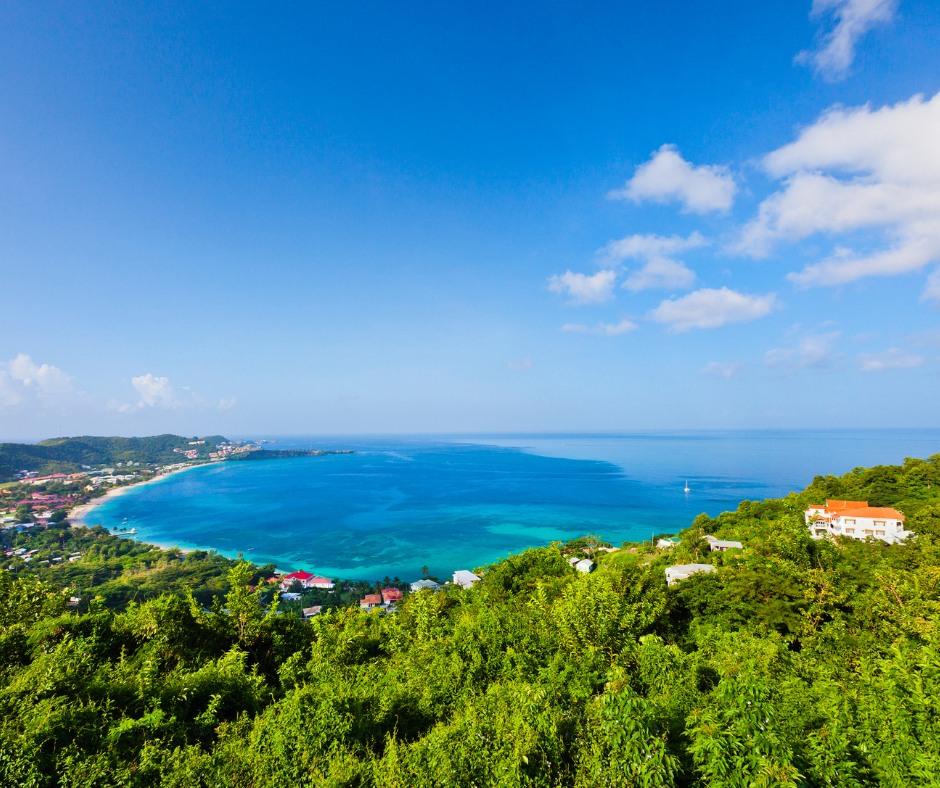
Yes. Grenada is an island in the southern Caribbean known for its stable political environment, growing tourism industry, natural beauty, and citizenship by investment (CBI) programme. The real estate market attracts lifestyle buyers and international investors who seek residential properties, luxury villas, beachfront land, and resort developments.

.png)




.png)




.png)



.png)




.png)






.png)